
Executive Director Update – August 2026
While that may give everyone inside the Beltway a chance to catch their breath, it also creates one of the best opportunities of the year for the vision research community to make an impact because Members of Congress are back home in their states and districts. And this year, they aren’t alone. Elected officials and candidates hoping to replace them in Washington are spending the next several months traveling their communities and talking with the people and institutions they hope to represent, trying to earn your vote.
With every seat in the House of Representatives and 35 Senate seats on the ballot this November, this fall will determine the makeup of the next Congress, and with it, the lawmakers who will make critical decisions about NIH, NEI, federal research funding, and the policies governing how that research is supported.
That makes the next few months particularly important for vision research.
We spend a lot of time asking policymakers to understand what $1 billion for the National Eye Institute means. But there is no appropriations table, fact sheet, or congressional briefing that can fully replace seeing the impact of research funding in their states firsthand.
If you work at a university, medical center, eye institute, or research organization, I encourage you to connect with your government relations, public affairs, or department leadership and explore opportunities to invite Members of Congress and candidates for Congress to visit your institution this fall.
Show them your labs. Introduce them to your trainees. Let them see the technology you are developing and meet the patients whose lives motivate your work. Explain what an NEI grant actually makes possible and what happens to a promising research program when funding becomes less predictable.
These visits don’t need to be elaborate. Sometimes the most effective advocacy is simply giving policymakers the chance to meet the people behind the science and understand that federal research funding isn’t an abstract number in Washington. It supports jobs in their communities, trains the next generation of scientists, drives innovation, creates new methodologies, devices, and treatments, and gives hope to millions of Americans living with vision loss and eye disease.
The Alliance is happy to help support these opportunities, provide background materials, or help researchers prepare for conversations with policymakers.
Congress will be back in Washington soon enough, with a short window to pass a budget before leaving again for most of October through the elections. In the meantime, let’s take advantage of having Washington closer to home and consider reaching out to district offices and encouraging members and staff to see the impact and opportunities of your research.
Thank you, as always, for helping us ensure policymakers #SeeWhatMatters.
Sincerely,
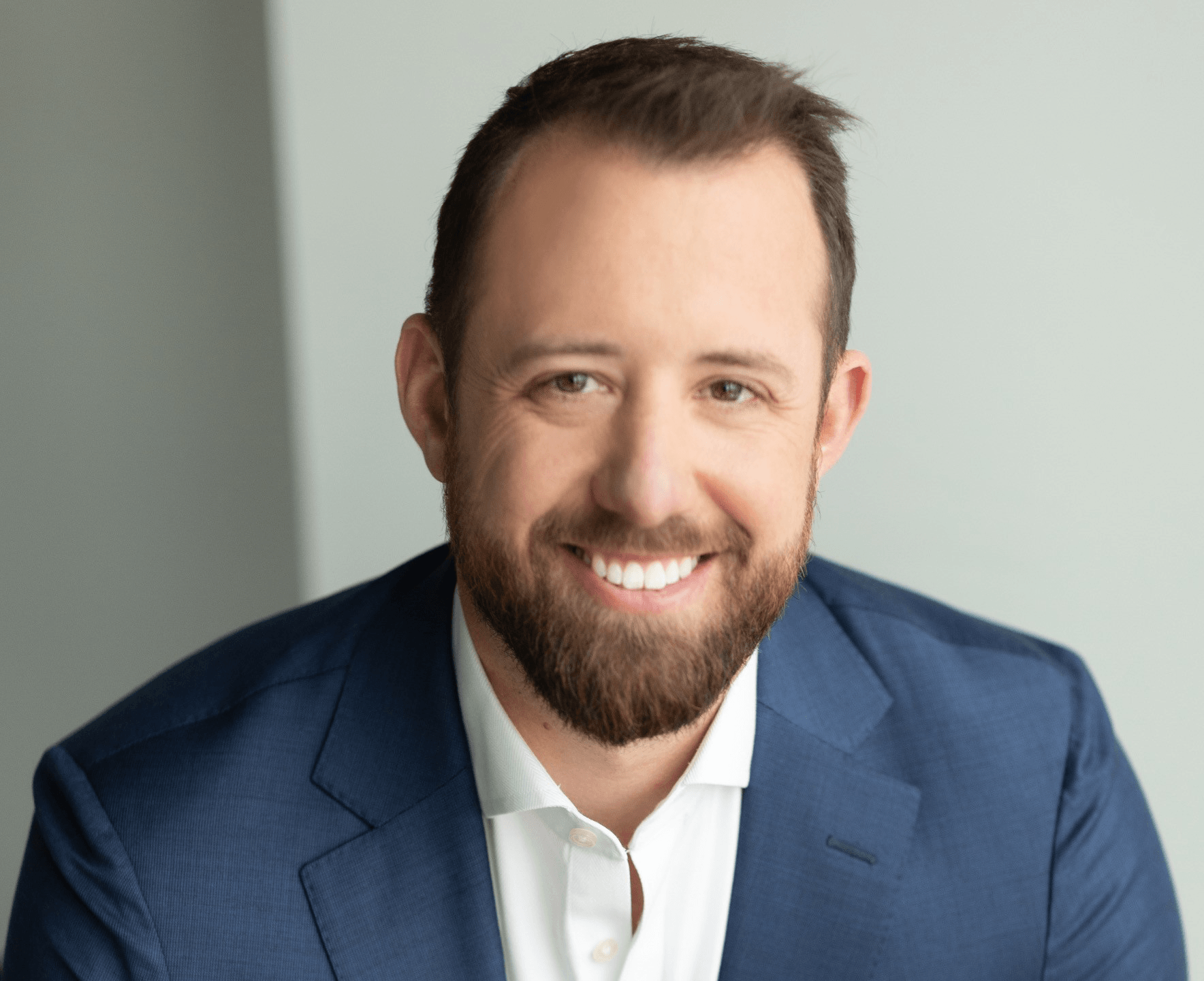 Dan Ignaszewski
Executive Director
Alliance for Vision Research
Related News & Events
Legislative Update – September 2026
The Continuing Resolution Keeps Government Open Through December 11 President Trump signed the Continuing Appropriations and Extensions Act, 2027, into law on September 2. The continuing resolution (CR) keeps federal agencies operating through December 11, 2026, generally at current funding levels. It prevents an October 1 shutdown and gives Congress more time to negotiate full-year … Continued
Executive Director Update – September 2026
Over the past year, the vision research community has helped prevent some of the most damaging outcomes facing federal research. NEI remains an independent Institute. NIH funding has been largely preserved. The Department of Defense Vision Research Program (VRP) was restored. And, most recently, Congress delayed a sweeping OMB proposal that would fundamentally change how … Continued
Alliance for Vision Research Joins VHAC Stakeholder Meeting
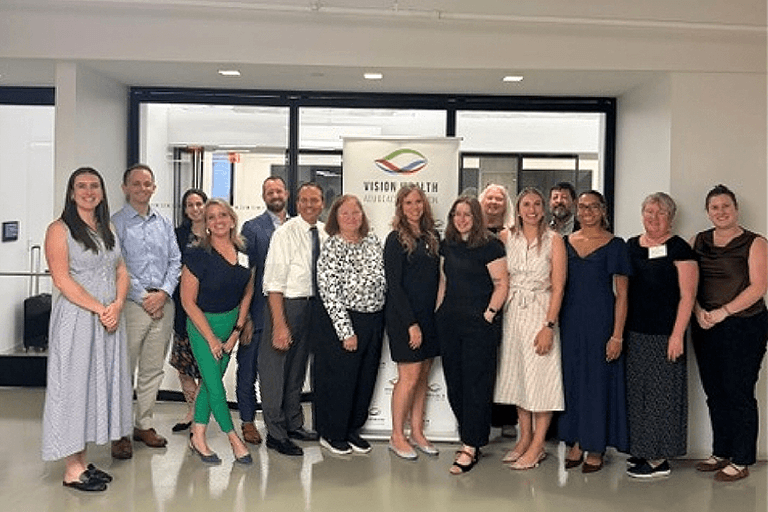
The Alliance for Vision Research joined fellow members of the Vision Health Advocacy Coalition (VHAC) this week for its Stakeholder Meeting, bringing together leaders from across the vision community to discuss shared advocacy priorities, challenges affecting access to care, and opportunities for greater collaboration in 2027. VHAC, a coalition of the Alliance for Patient Access, … Continued