
Healio: Federal budget proposal retains NEI, revives vision injury research
Key takeaways:
- The fiscal year 2026 budget proposal avoids NIH consolidation and funds NEI at the same level it has been funded since 2023.
- The government funding deadline is Jan. 30.
A 2026 budget proposal that retains the National Eye Institute as a stand-alone entity at NIH is advancing through Congress ahead of a Jan. 30 government funding deadline.
The proposed HHS budget also revives a vision injury research program defunded last year. However, it would cut nearly a third of the budget from the CDC’s Vision and Eye Health program, reducing support for vision-related public health efforts.

The proposals are part of H.R. 7148, which would fund HHS through Sept. 30 to the tune of $116.8 billion. The bill was passed by the House of Representatives on Jan. 22 and now heads to the Senate for consideration before it can be signed into law.

Dan Ignaszewski
“This agreement provides critical stability for vision research,” Dan Ignaszewski, executive director of Alliance for Vision Research, said in a press release. “While more work remains, this package represents meaningful progress and support for the research community.”
National Eye Institute
The funding package allocates more than $896 million for NEI operations, roughly the same amount that has been approved each year since 2023. It does not provide for a consolidation of NIH into eight institutes, which had been in the White House’s budget request.
“This is an important near-term safeguard that preserves NEI’s mission, leadership continuity and ability to maintain a focused national vision research agenda,” NAEVR said in a statement to Healio.
The administration’s request would have merged NEI with the National Institute of Dental and Craniofacial Research and the National Institute of Neurological Disorders and Stroke. It prompted organizations across optometry and ophthalmology, including Alliance for Vision Research, to launch a campaign, called #SeeWhatMatters, raising awareness about the value of NEI’s research contributions.
Alliance for Vision Research said it expects the administration to revisit the idea next year, although Congress could stop it again.
“House and Senate appropriations committees have made clear they do not intend to pursue NIH consolidation without formal recommendations from the authorizing committees, which are the House Energy and Commerce committee and the Senate [Health, Education, Labor and Pensions] committee,” the organization said. “Neither has shown appetite to advance restructuring.”
Ignaszewski told Healio that an independent NEI is essential from his organization’s perspective.
“It protects a dedicated vision research portfolio, preserves a transparent and accountable budget line, and prevents vision research from being diluted within a broader neuroscience structure,” he said. “Most importantly, it ensures that vision remains a clear national health priority.”
Sara Everett Brown,senior director of government affairs at Prevent Blindness, agreed.
“Vision research deserves to be set apart,” Brown told Healio. “As our nation faces many tough questions about how to respond to the chronic disease burden, new threats to our vision health and our aging population, the work of the NEI will only continue to be of significant importance in the scope of our national response to vision loss and eye disease.”
Public health cuts
The legislation proposes to cut $2 million in funding for the CDC’s Vision and Eye Health program — nearly one-third of its total budget, according to Prevent Blindness.
The Vision and Eye Health program supports the public health side of vision care, including through state grants for screening programs and online resources such as the Vision and Eye Health Surveillance System, according to Prevent Blindness.
“At a time when chronic diseases like diabetes, glaucoma, myopia and others are on the rise, cutting spending will undermine the progress we have made in preventing avoidable blindness and translating important research findings to community-level interventions,” Brown said in a press release from Prevent Blindness.
Ignaszewski also expressed support for the program in a statement to Healio.
“While our core advocacy focuses on NIH and the National Eye Institute, we recognize that CDC’s vision work helps translate research into prevention strategies and population-level impact,” he said, adding that “a strong vision research ecosystem depends on both robust science and reliable public health infrastructure.”
Research funding restored
The bill includes $10 million to revive the Vision Research Program, described on its website as “the nation’s primary funder of vision injury research.”
The program was established in 2009 within the Department of Defense (DoD) and grew to a budget of $20 million over the next 10 years, but in 2025 it was eliminated entirely amid “deep cuts” to DoD’s Congressionally Directed Medical Research Programs, NAEVR told Healio.
“As a result, vision research lost its guaranteed portfolio within DoD, forcing researchers to compete across dozens of unrelated disease areas in the broader Peer Reviewed Medical Research Program,” Alliance for Vision Research said. “This reinstatement restores vision research as a recognized DoD priority, reestablishes a clear pathway for targeted awards aligned with military and veteran vision needs, and provides a stable foundation to rebuild funding toward prior levels in future years.”
For more information:
Sara Everett Brown can be reached at severettbrown@preventblindness.org.Dan Ignaszewski can be reached at dan@eyeresearch.org.
eferences:
- Appropriations committees release three-bill FY26 funding package: Labor, HHS, Education; Defense; Transportation, Housing and Urban Development. https://democrats-appropriations.house.gov/news/press-releases/appropriations-committees-release-three-bill-fy26-funding-package-labor-hhs. Published Jan. 20, 2026. Accessed Jan 21, 2026.
- Congress cuts vision and eye health funding by one-third in fiscal year 2026. https://preventblindness.org/congress-cuts-2026-vision-funding/. Published Jan. 21, 2026. Accessed Jan. 23, 2026.
- H.R.7148 – Consolidated Appropriations Act, 2026. https://www.congress.gov/bill/119th-congress/house-bill/7148. Updated Jan. 22, 2026. Accessed Jan. 26, 2026.
- Vision Research Program. https://cdmrp.health.mil/vrp/default. Updated Nov. 17, 2025. Accessed Jan. 23, 2026.
Disclosures: Brown reports being senior director of government affairs at Prevent Blindness. Ignaszewski reports being executive director of the Alliance for Vision Research.
Related News & Events
Lorem ipsum dolor sit amet, consectetur adipiscing elit.
A Powerful Moment for Vision Science: Reflections from the “Impact of Vision Science” Convening
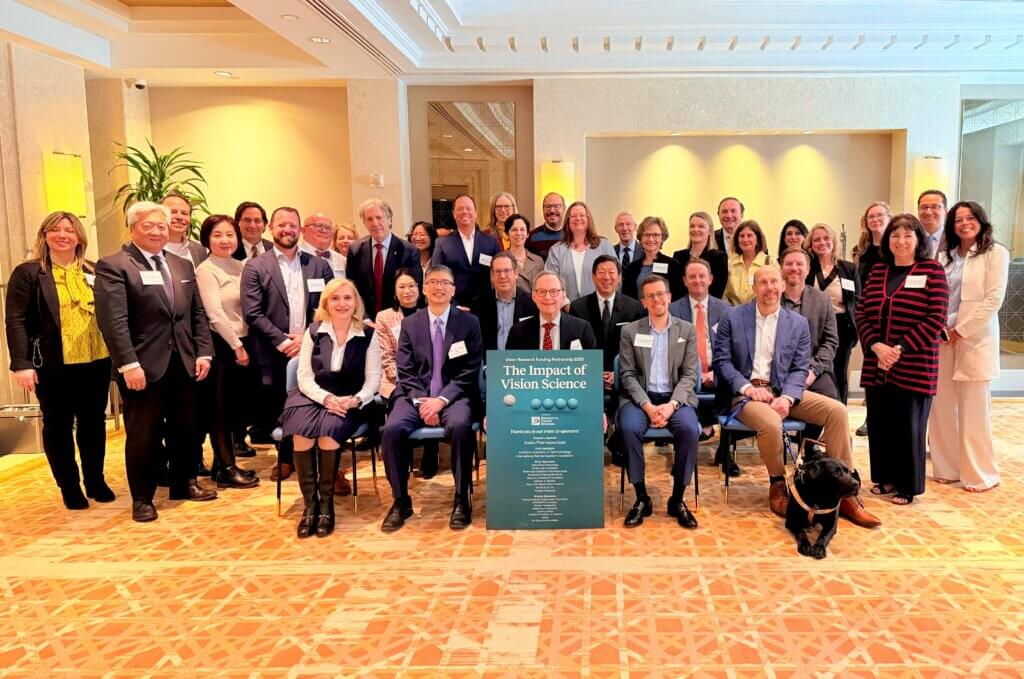
On March 24, the Alliance for Vision Research joined leaders from across the vision community at a remarkable convening hosted by Research to Prevent Blindness, titled “The Impact of Vision Science.” Bringing together experts spanning research, clinical care, industry, philanthropy, and advocacy, the event underscored both the extraordinary progress being made in vision science and … Continued
Advancing Glaucoma Research on Capitol Hill
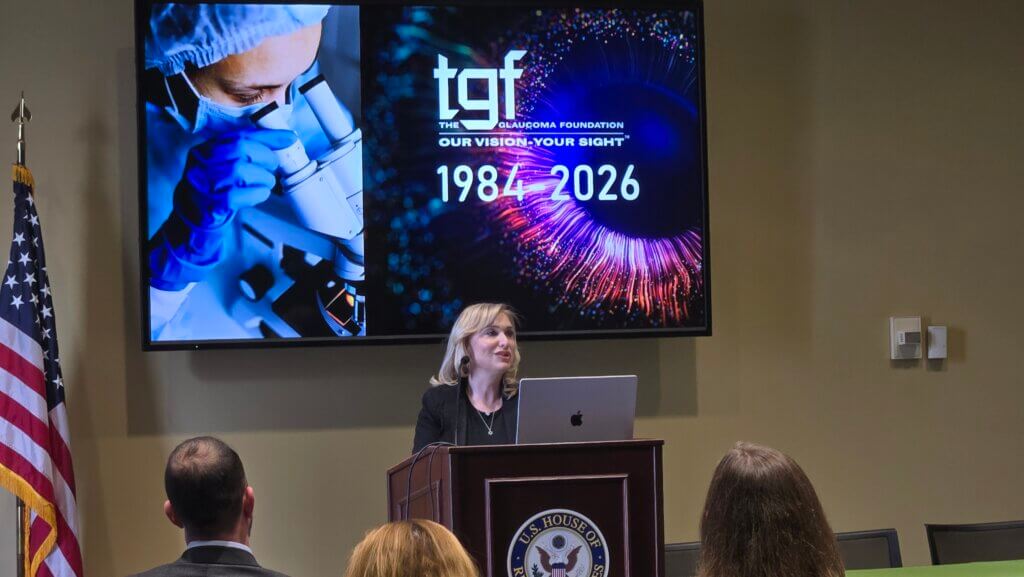
Alliance for Vision Research recently convened a Congressional Briefing on glaucoma, bringing together researchers, clinicians, advocates, and policymakers to highlight the latest scientific advances and the urgent need for sustained federal investment in vision research. While more intimate in size, the briefing delivered meaningful impact—fostering powerful conversations and connections between experts and congressional staff. Speakers … Continued
Advancing AMD Research and Elevating Patient Voices
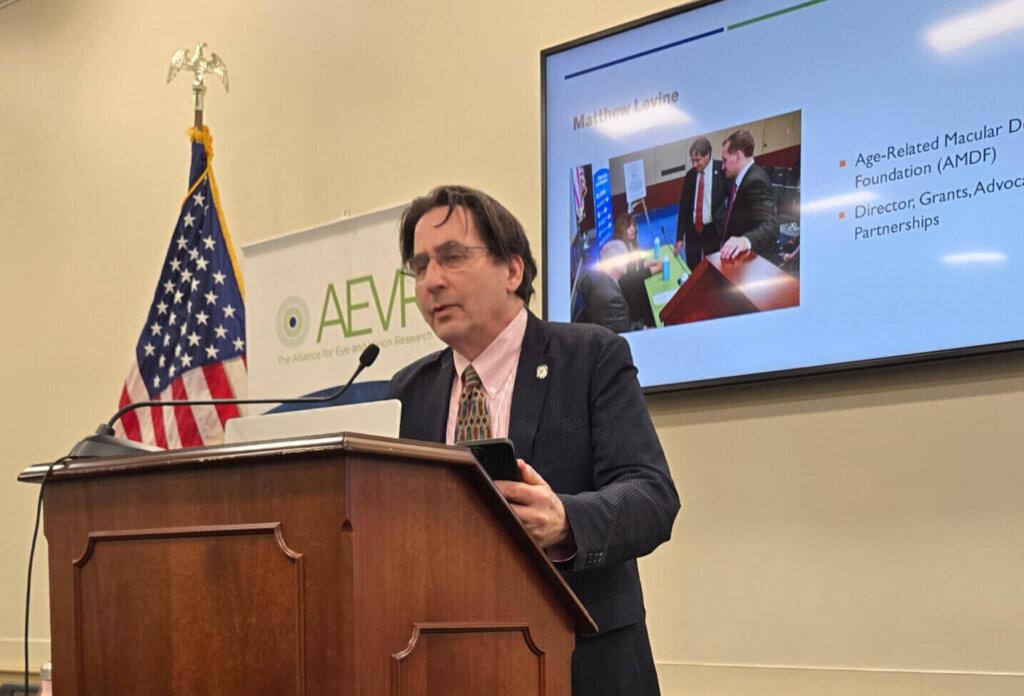
In a recent Congressional Briefing focused on Age-Related Macular Degeneration (AMD), leaders in research and patient advocacy came together to highlight both the latest scientific advances and the real-world impact of this leading cause of vision loss. The program featured Rajendra S. Apte, MD, PhD, Paul A. Cibis Distinguished Professor at Washington University School of … Continued