
Congressional Briefing on Diabetic Retinal Disease
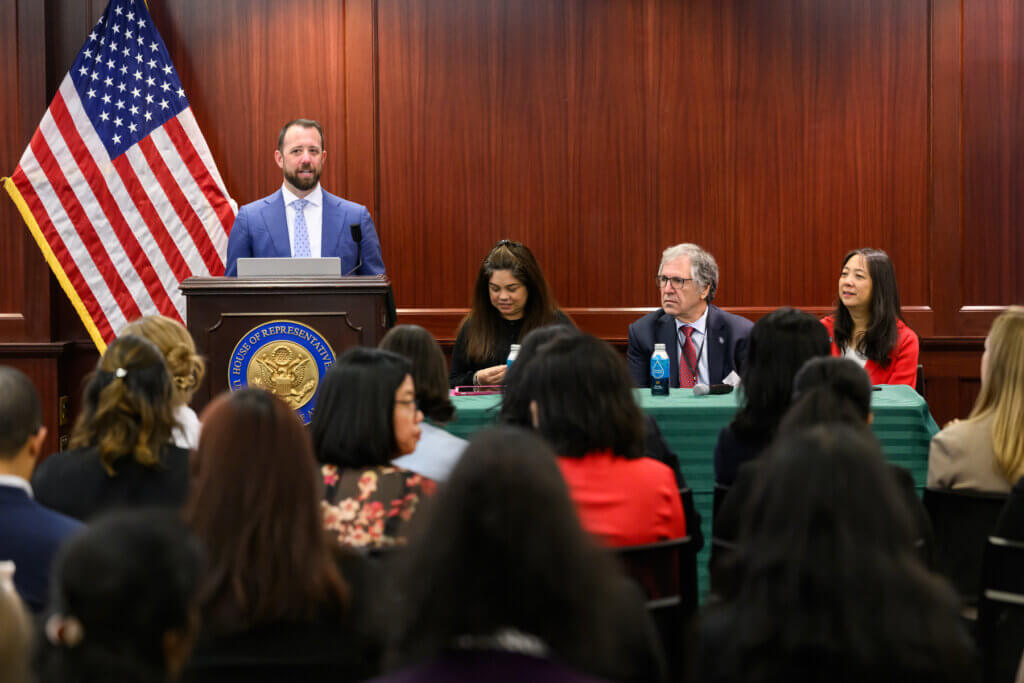
Alliance for Vision Research hosted a packed Congressional Briefing on Diabetic Retinal Disease (DRD), bringing together patients, physicians, researchers, and policymakers to underscore the urgent need for expanded vision research and federal investment in the National Eye Institute (NEI). Watch the replay of the Congressional Briefing.
Patient Perspective: Living with Diabetic Retinal Disease
The program opened with Adriana Plevniak, who shared her deeply personal journey as a patient living with diabetic retinal disease. She spoke to the daily challenges of vision loss, the fear of progression, and the importance of early detection and access to care. Her testimony reminded policymakers that behind every statistic is a real person whose quality of life depends on continued research and treatment advances
Scientific Perspective: A Call to Action
S. Robert Levine, MD, Founder and CEO of the Mary Tyler Moore Vision Initiative, delivered a powerful address about the devastating impact of DRD, which affects nearly 40 million Americans with diabetes. Drawing on Mary Tyler Moore’s personal experience, Dr. Levine emphasized the need to “save the joy of sight” for future generations. He called for bold action to accelerate progress, including updated disease staging systems, new therapeutic targets, and the integration of patient voices into research design and regulatory pathways.
Clinical Research Perspective: Transforming Care through Collaboration
Jennifer K. Sun, MD, MPH, Professor of Ophthalmology and Surgery at Harvard Medical School, Chair of Diabetes Initiatives for the DRCR Retina Network, and Co-Scientific Director of the Mary Tyler Moore Vision Initiative, highlighted how NIH-sponsored collaborative clinical research has transformed care for diabetic retinal disease worldwide. She noted that anti-VEGF therapy, laser treatment, and other evidence-based interventions developed through federally funded clinical trials have saved vision for countless patients. Dr. Sun stressed, however, that unmet needs remain, including better strategies for prevention, earlier interventions, and equitable access to therapies, and reiterated that sustained, robust federal funding is critical to sustaining progress.
Related News & Events
Lorem ipsum dolor sit amet, consectetur adipiscing elit.
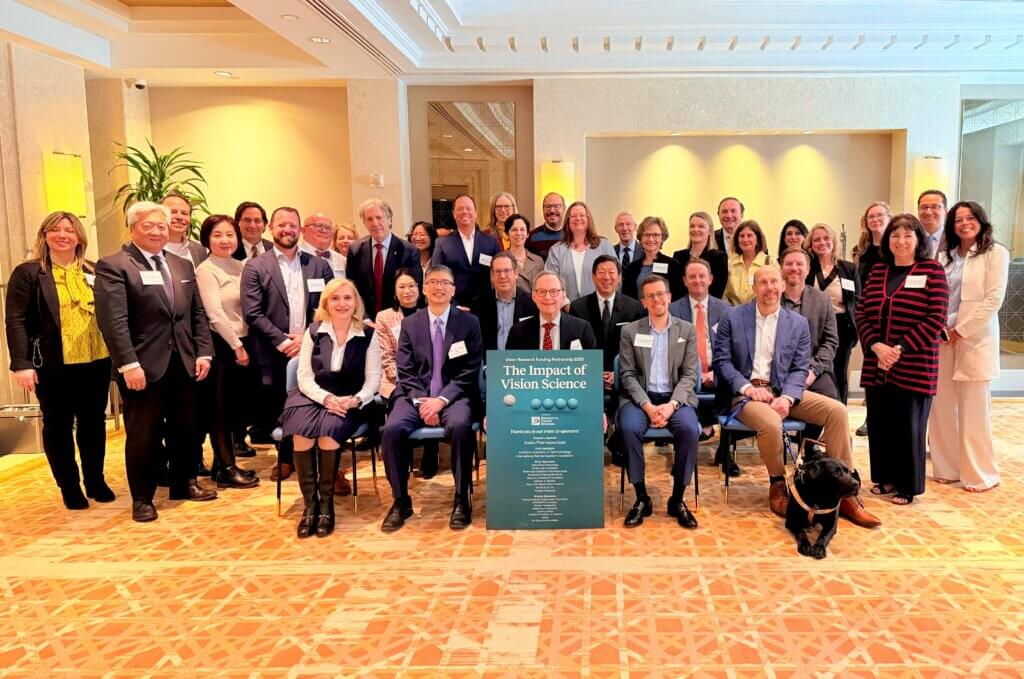
A Powerful Moment for Vision Science: Reflections from the “Impact of Vision Science” Convening
On March 24, the Alliance for Vision Research joined leaders from across the vision community at a remarkable convening hosted by Research to Prevent Blindness, titled “The Impact of Vision Science.” Bringing together experts spanning research, clinical care, industry, philanthropy, and advocacy, the event underscored both the extraordinary progress being made in vision science and … Continued
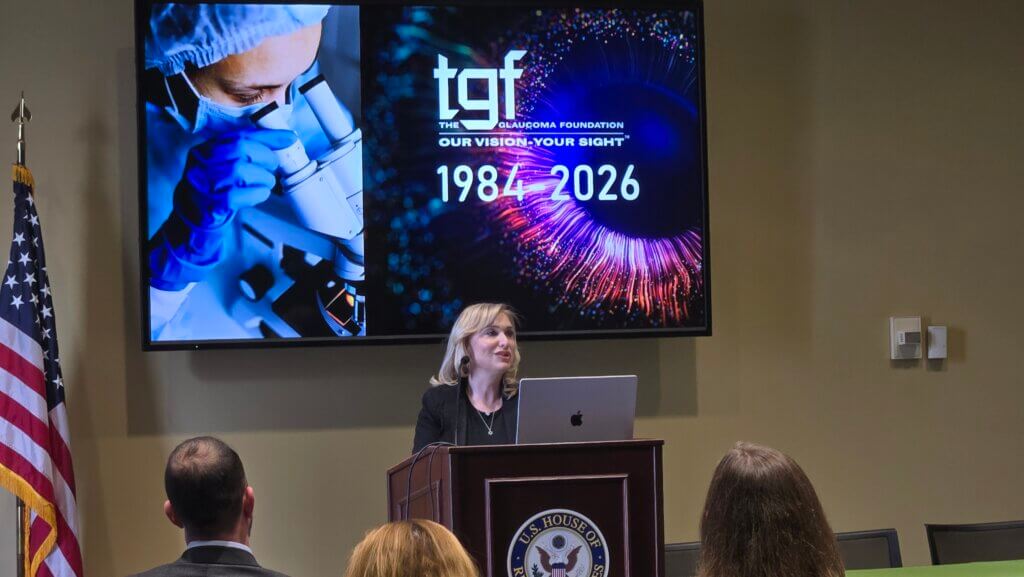
Advancing Glaucoma Research on Capitol Hill
Alliance for Vision Research recently convened a Congressional Briefing on glaucoma, bringing together researchers, clinicians, advocates, and policymakers to highlight the latest scientific advances and the urgent need for sustained federal investment in vision research. While more intimate in size, the briefing delivered meaningful impact—fostering powerful conversations and connections between experts and congressional staff. Speakers … Continued
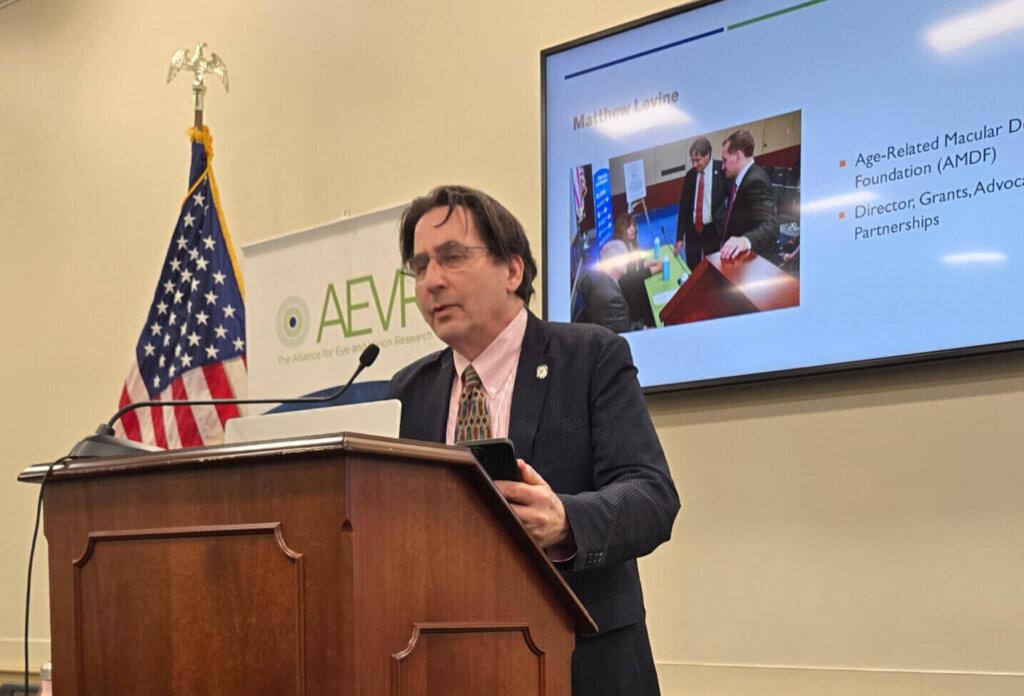
Advancing AMD Research and Elevating Patient Voices
In a recent Congressional Briefing focused on Age-Related Macular Degeneration (AMD), leaders in research and patient advocacy came together to highlight both the latest scientific advances and the real-world impact of this leading cause of vision loss. The program featured Rajendra S. Apte, MD, PhD, Paul A. Cibis Distinguished Professor at Washington University School of … Continued