
Congressional Advocacy and National Engagement
Our efforts have included organizing and submitting a new FY26 Friends of NEI sign-on letter with more than 100 institutions, professional societies, and patient organizations, urging Congress to fund the NEI at $1 billion, reject the 15% indirect cost cap, and preserve NEI’s independence. We have presented appropriations testimony to both the House and Senate LHHS Committees and conducted targeted outreach to key appropriations and authorizing committee members, members of the Vision Caucus, and more.
Through our digital advocacy platform, over 8,500 grassroots messages have been sent to Congress in defense of the NEI. It takes two minutes to send a message to your members of Congress: act now and make your voice heard.
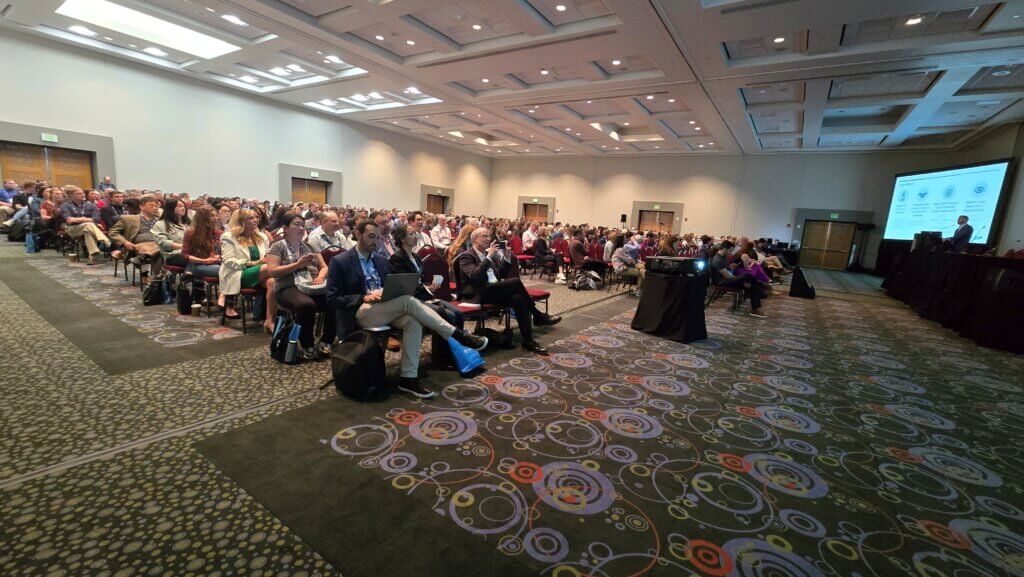
Furthermore, at the 2025 Association for Research in Vision and Ophthalmology (ARVO) Annual Meeting, we engaged researchers and stakeholders, offering updates on policy threats and empowering attendees with training sessions and advocacy resources. During the meeting, we hosted a packed Town Hall meeting, in which our Executive Director, Dan Ignaszewski explored critical issues affecting vision research funding. He delivered a powerful call to action. Now is the time to defend the NEI from dangerous threats that would undermine vision science as we know it.
In a May article published in Medscape, Dan drove the message home that “This is an unprecedented time for research. The advocacy community always thought that things like the National Eye Institute were untouchable. When it comes to these consolidation proposals, our focus is the National Eye Institute remain a dedicated priority for vision within NIH…We don’t want to see consolidation without understanding the consequences of restructuring.”
In the article, Dan outlines the very real threat facing the NEI, including a proposed 37% cut to the NIH. These changes would dismantle the infrastructure that has made vision science a global leader in gene therapy, diagnostics, and patient care.
Our message to the research and patient community is clear. If we don’t act now, we risk losing decades of progress. NEI-supported research has pioneered the first FDA-approved gene therapy and AI-based diagnostic tools—innovations now being used across other research areas and medicine. But without urgent advocacy, those breakthroughs could be stalled, and future treatments would be lost.
We continue to rally researchers, clinicians, patients, and industry leaders to speak out. Congress must hear that NEI deserves dedicated funding and a protected place within NIH
Related News & Events
Lorem ipsum dolor sit amet, consectetur adipiscing elit.
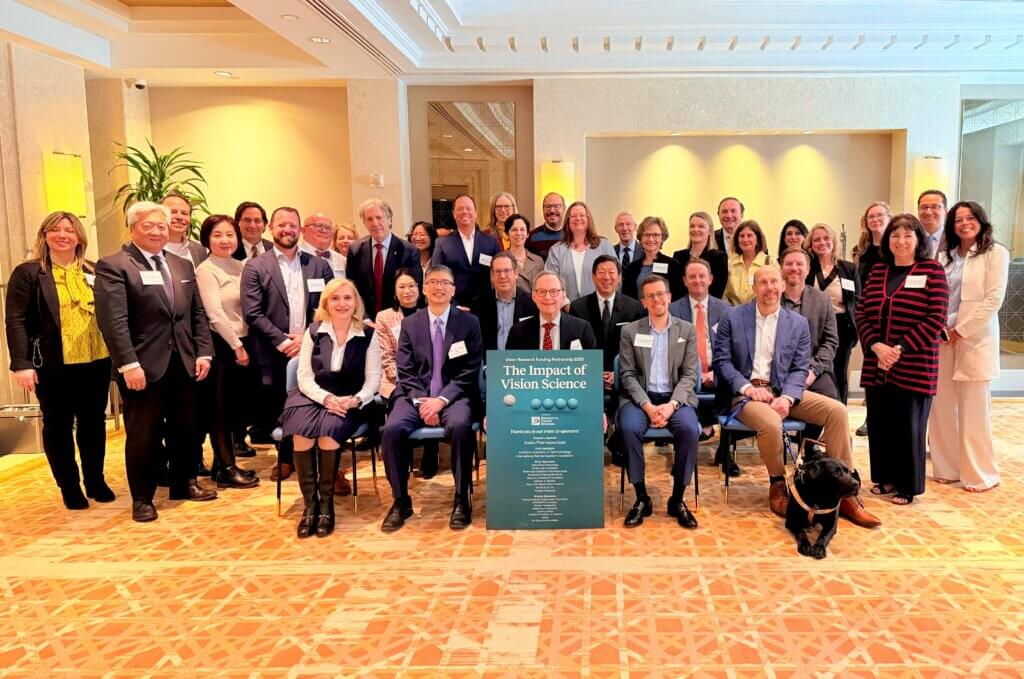
A Powerful Moment for Vision Science: Reflections from the “Impact of Vision Science” Convening
On March 24, the Alliance for Vision Research joined leaders from across the vision community at a remarkable convening hosted by Research to Prevent Blindness, titled “The Impact of Vision Science.” Bringing together experts spanning research, clinical care, industry, philanthropy, and advocacy, the event underscored both the extraordinary progress being made in vision science and … Continued
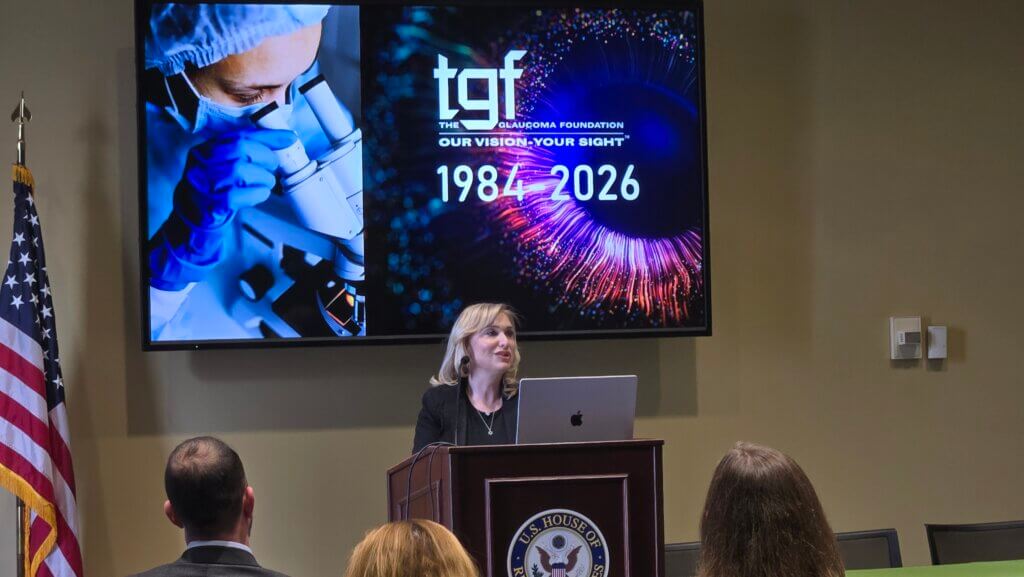
Advancing Glaucoma Research on Capitol Hill
Alliance for Vision Research recently convened a Congressional Briefing on glaucoma, bringing together researchers, clinicians, advocates, and policymakers to highlight the latest scientific advances and the urgent need for sustained federal investment in vision research. While more intimate in size, the briefing delivered meaningful impact—fostering powerful conversations and connections between experts and congressional staff. Speakers … Continued
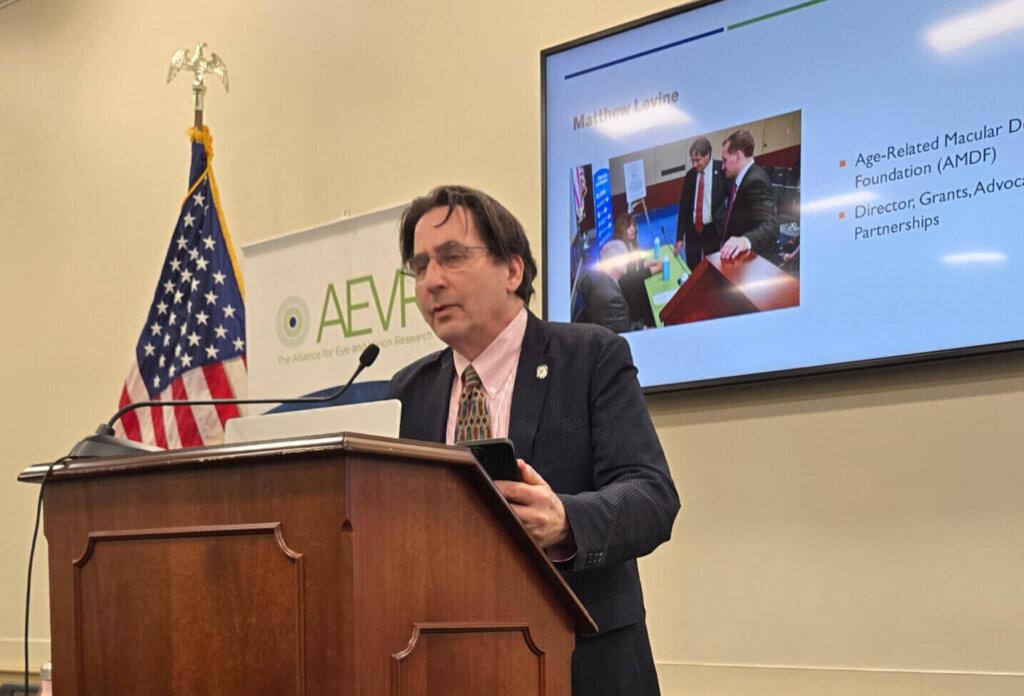
Advancing AMD Research and Elevating Patient Voices
In a recent Congressional Briefing focused on Age-Related Macular Degeneration (AMD), leaders in research and patient advocacy came together to highlight both the latest scientific advances and the real-world impact of this leading cause of vision loss. The program featured Rajendra S. Apte, MD, PhD, Paul A. Cibis Distinguished Professor at Washington University School of … Continued